PP vs PET Food Containers: Which Material Is Better for Food Packaging?
Choosing the right material is one of the most important decisions when sourcing disposable food packaging.
For food packaging distributors, importers, restaurants, supermarkets and foodservice suppliers, two of the most common plastic packaging materials are PP (Polypropylene) and PET (Polyethylene Terephthalate).
Both materials are widely used in food packaging, but they are suitable for different applications.
In this guide, we compare PP vs PET food containers to help professional buyers choose the right packaging solution according to food type, temperature requirements, product presentation and target market.
What Are PP Food Containers?
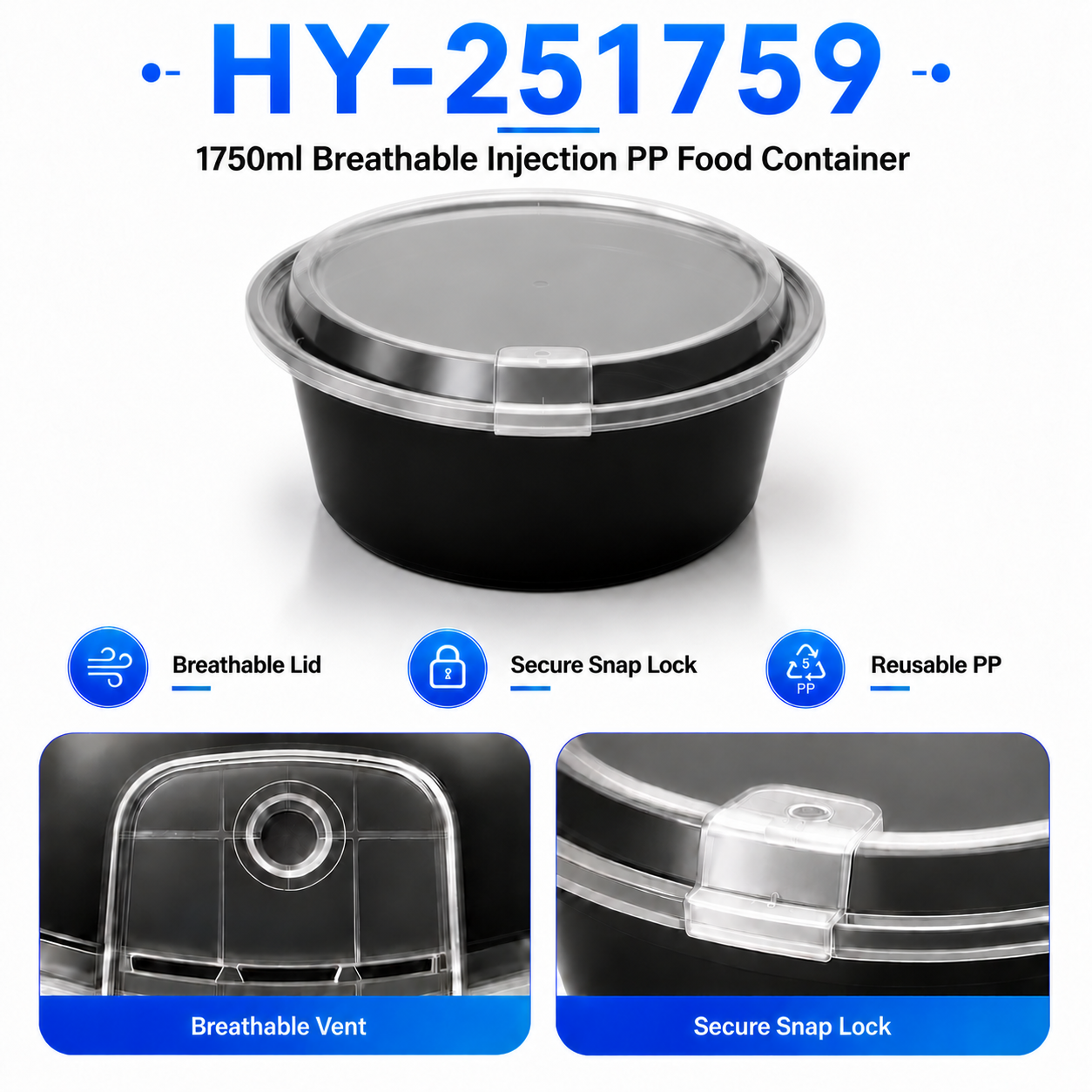
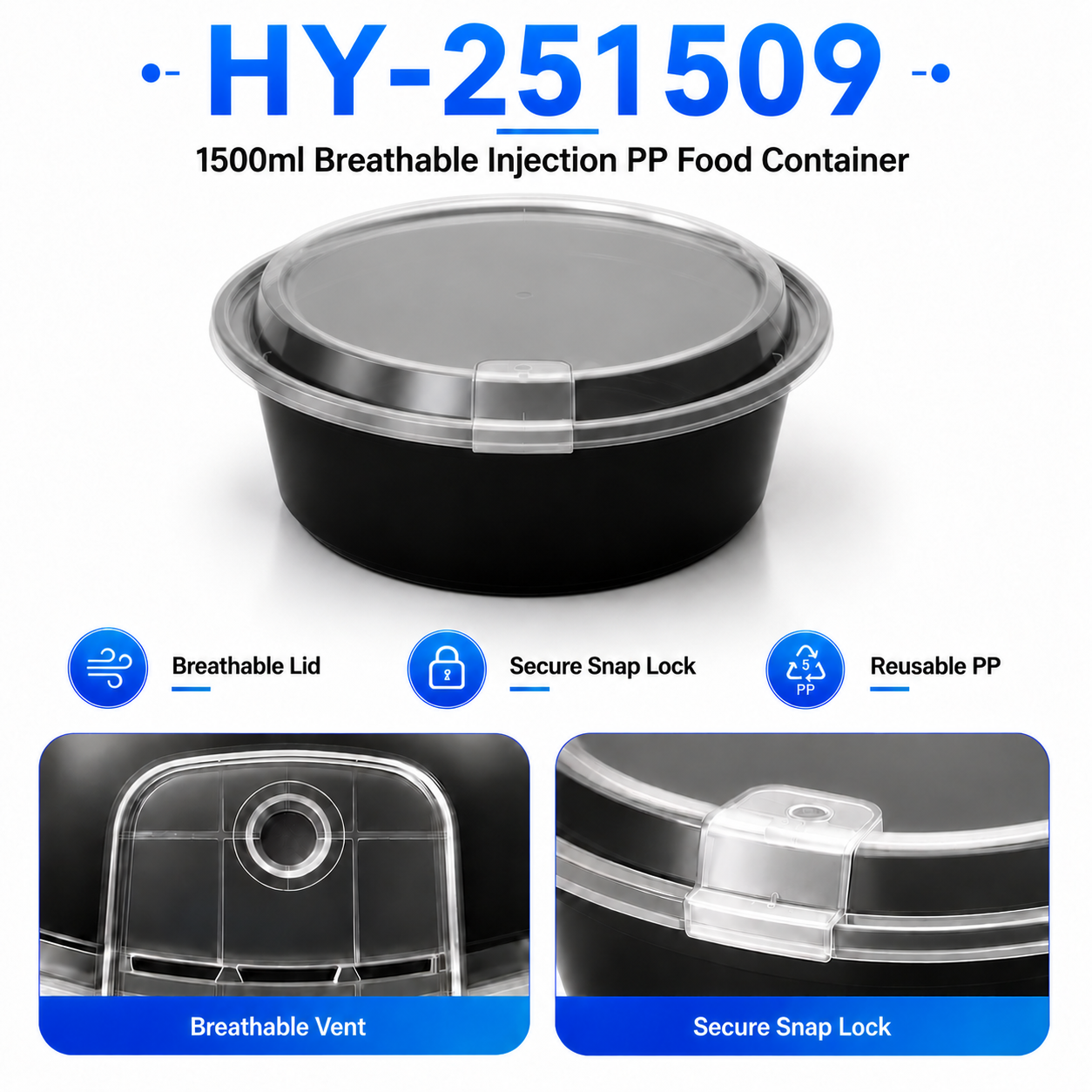
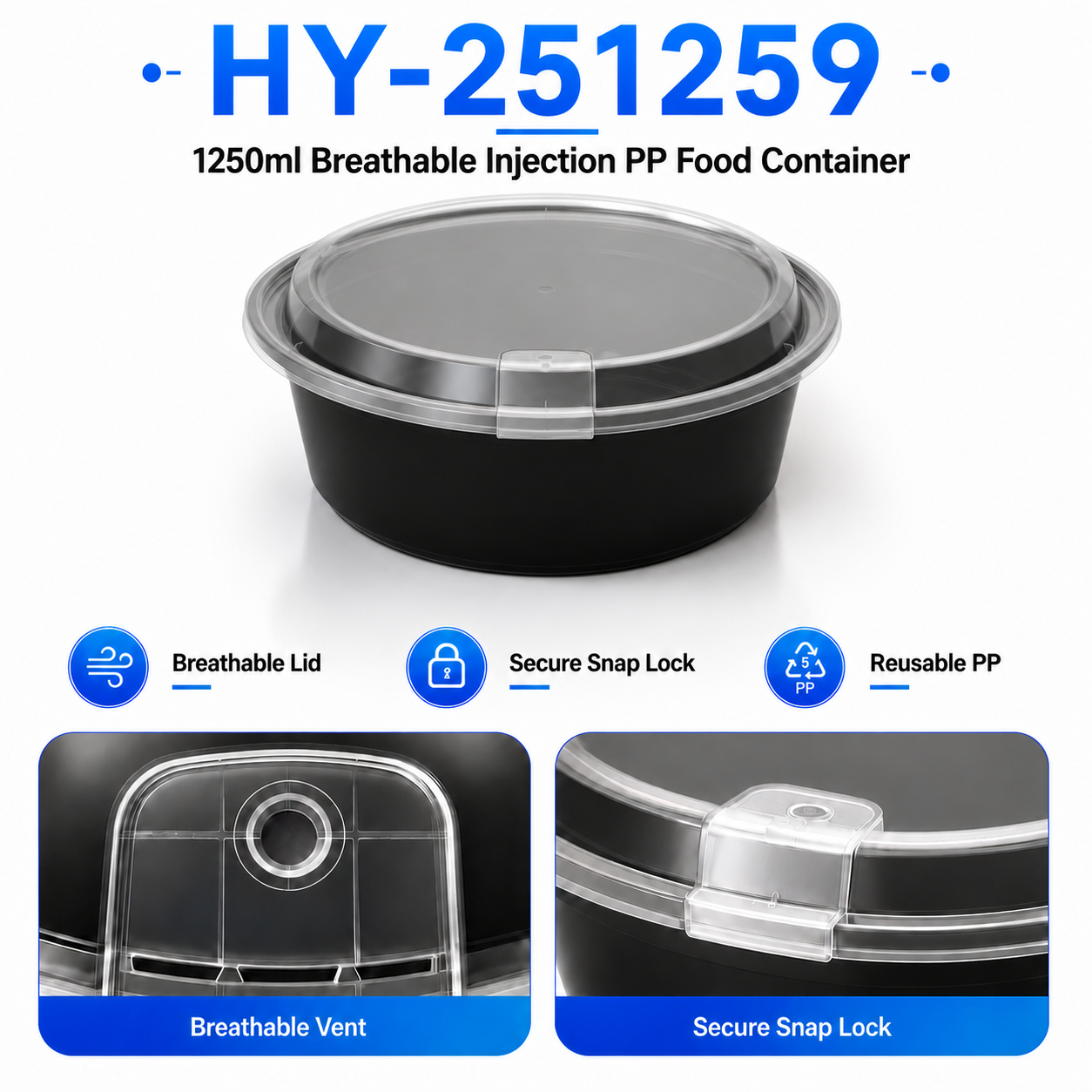
PP, or polypropylene, is widely used for takeaway containers, meal preparation packaging, deli containers and other foodservice applications.
One of the main advantages of PP is its balance between strength, flexibility and temperature resistance.
PP food containers are commonly used for:
Takeaway meals
Rice and noodle dishes
Prepared foods
Meal preparation
Catering
Deli products
Restaurant packaging
Hot and cold food applications
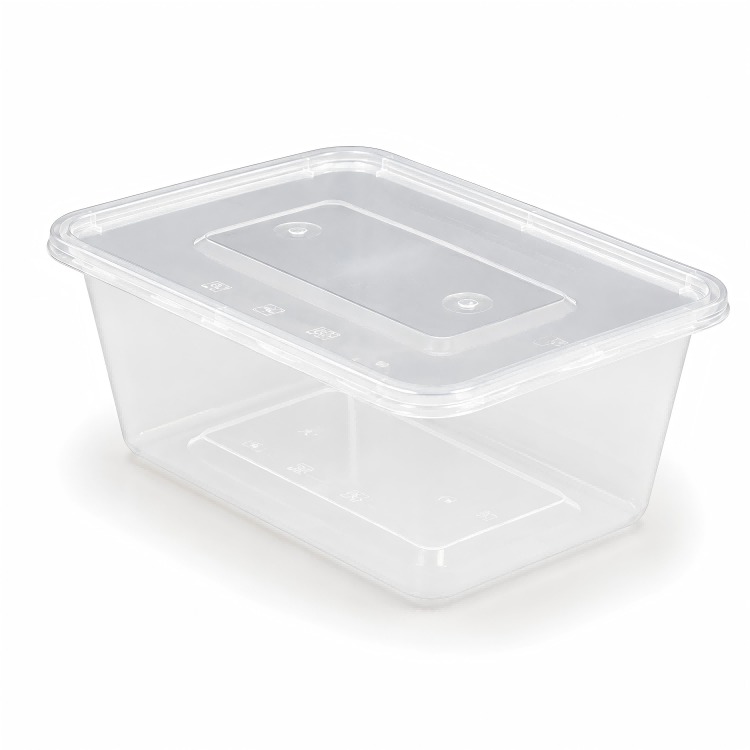
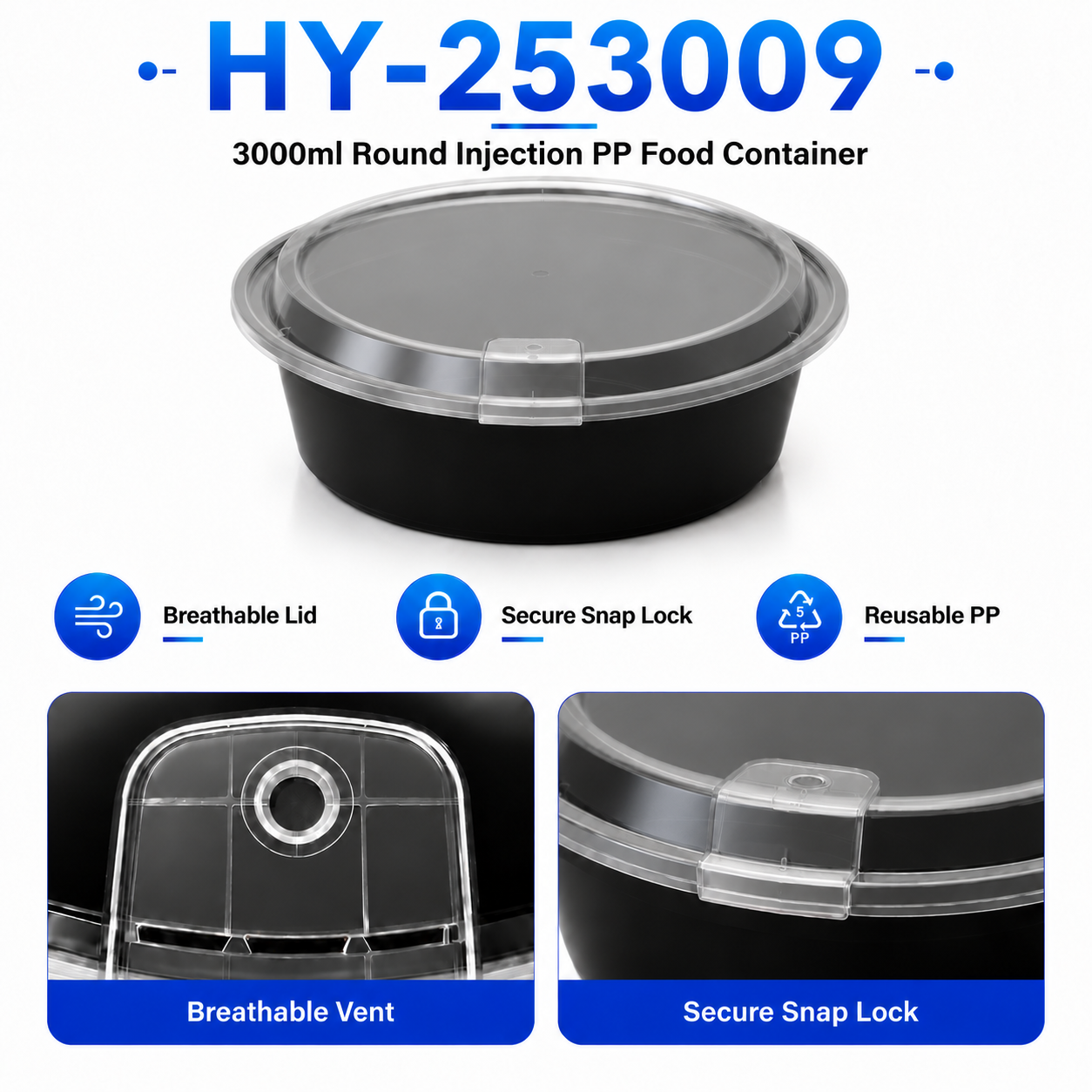
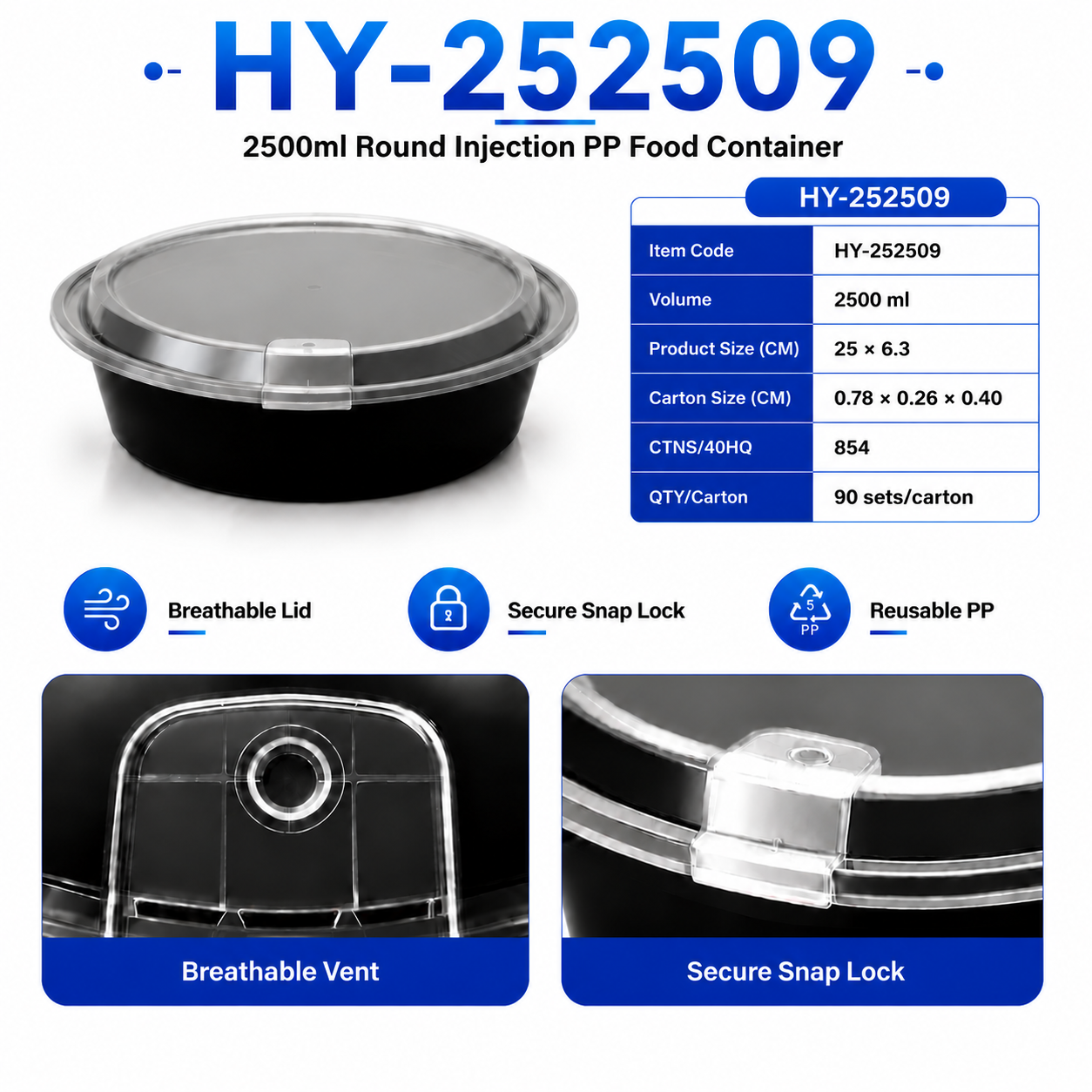
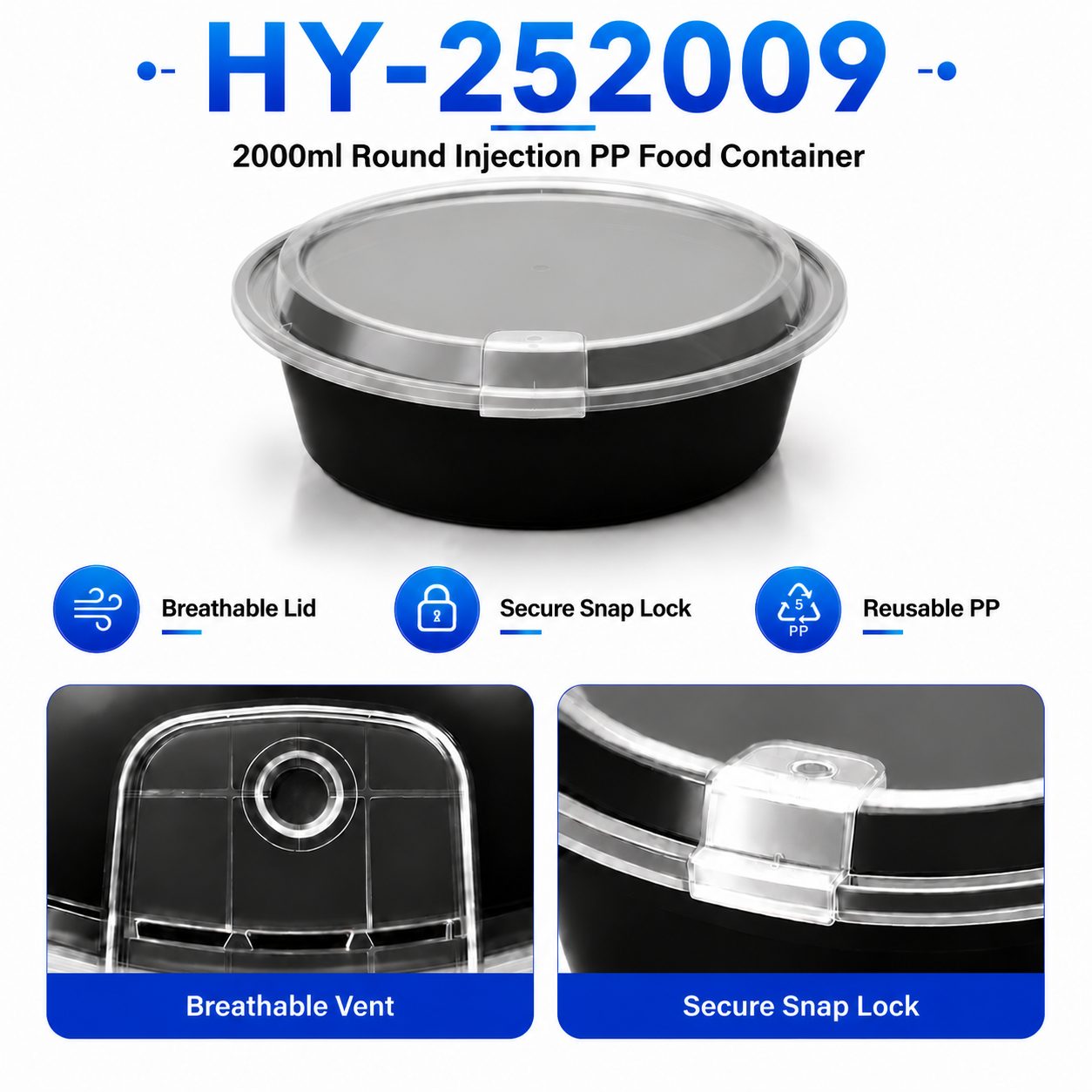
Different shapes and capacities are available, including round, rectangular and hinged food containers.
For professional foodservice buyers, PP packaging is especially useful when versatility and practical handling are important.
What Are PET Food Containers?
PET, or polyethylene terephthalate, is widely used where transparency and product presentation are important.
PET food packaging can provide excellent visibility, making it particularly suitable for retail foods where customers want to clearly see the product before purchasing.
Common PET food packaging applications include:
Fresh fruit
Salads
Bakery products
Desserts
Cold prepared foods
Supermarket food displays
Fruit and vegetable packaging
Deli products
Fresh food trays
For supermarkets, fruit suppliers, bakeries and food processors, PET packaging can provide an attractive presentation while protecting the product during handling and transportation.
PP vs PET Food Containers: Key Differences
Although PP and PET are both widely used in disposable food packaging, their characteristics are different.
1. Transparency
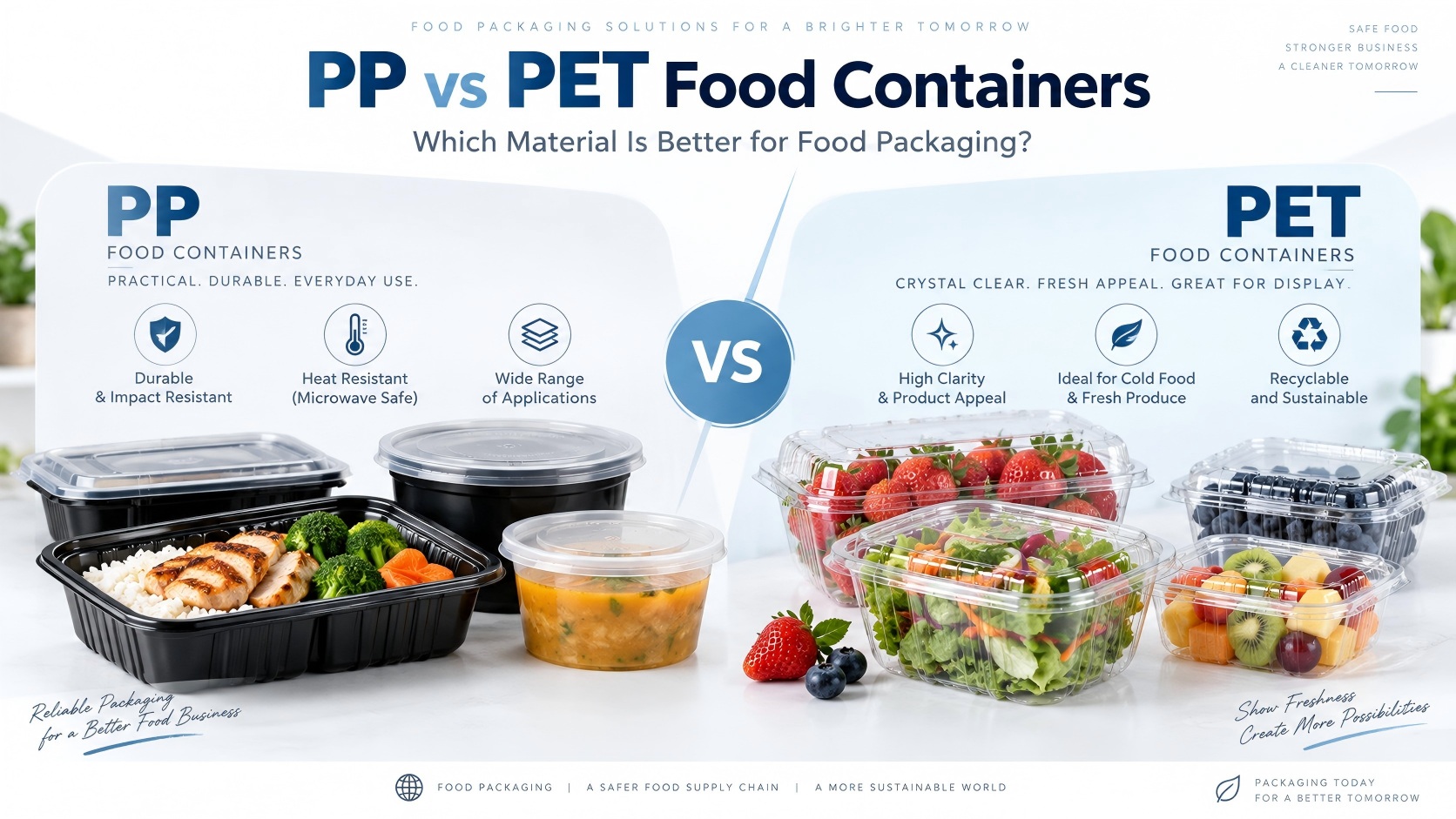
PET generally offers higher clarity and transparency.
This makes PET particularly suitable for packaging applications where product visibility is a major selling point, such as fruit, salads, desserts and supermarket food displays.
PP can also be produced in clear or translucent formats, but its appearance is generally different from the high transparency typically associated with PET.
If your packaging strategy focuses strongly on displaying the food itself, PET may be a suitable option.
2. Temperature Requirements
Temperature is one of the most important factors when choosing food packaging materials.
PP is widely selected for takeaway and prepared-food applications because of its practical performance across a broad range of foodservice uses.
PET is more commonly associated with cold and ambient-temperature food packaging, especially where high transparency is required.
Professional buyers should always confirm the actual temperature requirements of their application before selecting a packaging material.
The final choice should consider not only the food temperature when packed, but also storage, transportation and how the end customer will use the container.
3. Strength and Flexibility
PP provides a useful combination of toughness and flexibility.
This can make PP containers suitable for takeaway meals, catering and other applications where containers are frequently stacked, transported and handled.
PET typically provides a more rigid feel, which can be advantageous for retail presentation and certain food tray or clamshell packaging applications.
The ideal structure also depends on container thickness, design, shape and production process.
4. Food Presentation
For many supermarket and retail applications, food presentation directly influences purchasing decisions.
PET is often selected when buyers require high visibility for products such as:
Fresh fruit
Vegetables
Salads
Desserts
Bakery products
For takeaway restaurants, meal preparation companies and catering businesses, PP may offer a more practical balance between appearance and functional performance.
Therefore, the best material depends on whether your priority is visual presentation, foodservice performance or a combination of both.
When Should You Choose PP Food Containers?
PP food containers are worth considering when your main applications include takeaway meals, prepared foods, catering or restaurant foodservice.
They are particularly suitable for businesses looking for:
Multiple capacity options
PP food containers can be produced in different sizes to accommodate individual portions, side dishes, full meals and larger catering portions.
Round and rectangular designs
Different shapes allow distributors and restaurant suppliers to build a complete product range for different food applications.
Takeaway and foodservice applications
PP is widely used across restaurants, catering, meal preparation and professional foodservice packaging.
OEM packaging options
For wholesale buyers, packaging configuration, carton marks, private labeling and other OEM requirements can be discussed according to order requirements.
When Should You Choose PET Food Containers?
PET food packaging is particularly suitable when transparency and retail presentation are key requirements.
Typical applications include fresh fruit, cold foods, desserts and supermarket products.
PET may be a good option when you need:
High product visibility
Clear packaging allows consumers to inspect the food before purchasing.
Retail-ready presentation
PET containers can work well for supermarket shelves, fruit packaging and other display-oriented applications.
Rigid packaging structures
Depending on the container design, PET can provide a strong and visually attractive packaging solution.
What About Biodegradable Food Packaging?
PP and PET are not the only options available to food packaging buyers.
Demand for alternative packaging materials is also increasing in many markets.
Depending on local regulations, food applications and customer requirements, buyers may also consider biodegradable or fiber-based food packaging solutions.
There is no single packaging material that is ideal for every application.
Professional buyers should compare:
Food type
Temperature
Packaging strength
Transparency
Storage requirements
Transportation
Target market
Local regulations
Cost
Customer expectations
Selecting materials according to the actual application is more important than simply choosing one material for an entire product range.
PP vs PET: Which Is Better?
There is no universal answer.
For takeaway meals, catering and prepared-food applications, PP food containers can provide a practical and versatile solution.
For fruit, salads, desserts and other products where maximum visibility is important, PET food packaging may be more suitable.
Many food packaging distributors actually require both PP and PET products because they serve different customer groups.
A distributor, for example, may supply PP takeaway containers to restaurants while also supplying clear PET packaging to supermarkets, fruit distributors and bakery customers.
Building a complementary product portfolio can therefore be more effective than choosing only one material.
Wholesale PP and PET Food Packaging from China
Tianjin Huanyu Zhongteng Technology Co., Ltd. manufactures and supplies disposable food packaging for professional foodservice and wholesale markets.
Our product range includes PP food containers, takeaway packaging, deli containers, food trays and other disposable food packaging solutions.
We work with food packaging distributors, wholesalers, importers, restaurant suppliers, catering companies and other professional buyers.
Depending on project requirements, we can discuss:
Product sizes and capacities
Material selection
Packaging configuration
Carton printing and carton marks
Private labeling
OEM and ODM requirements
Samples
Bulk-order specifications
For customized projects, our team can also discuss product structure, packaging requirements and tooling according to the buyer's target market.
Frequently Asked Questions
Is PP or PET better for takeaway food containers?
PP is commonly selected for takeaway and prepared-food applications because it provides a practical balance of strength, flexibility and foodservice performance.
The correct choice, however, depends on the food, temperature and intended use.
Is PET better for displaying food?
PET is commonly used when high transparency and food visibility are important, making it suitable for fruit, salads, desserts and other retail food applications.
Can food packaging be customized?
Yes. OEM requirements can be discussed according to the project, including packaging configurations, carton printing, carton marks, private labeling and other specifications.
Do you supply wholesale food containers?
Yes. Tianjin Huanyu Zhongteng supplies disposable food packaging for distributors, importers, wholesalers and professional foodservice buyers.
Can I request samples before ordering?
Samples and detailed specifications can be discussed before bulk purchasing so buyers can evaluate the product structure, dimensions and packaging according to their requirements.
Looking for PP or PET Food Containers?
Choosing between PP and PET depends on your food application, temperature requirements, presentation needs and target market.
If you are sourcing PP food containers, PET food packaging or customized disposable food containers, contact Tianjin Huanyu Zhongteng Technology Co., Ltd.
Tell us your required material, container size, capacity, application and estimated purchasing quantity.
Our team can help you compare suitable food packaging solutions and prepare product specifications, samples and wholesale quotations for your project.